
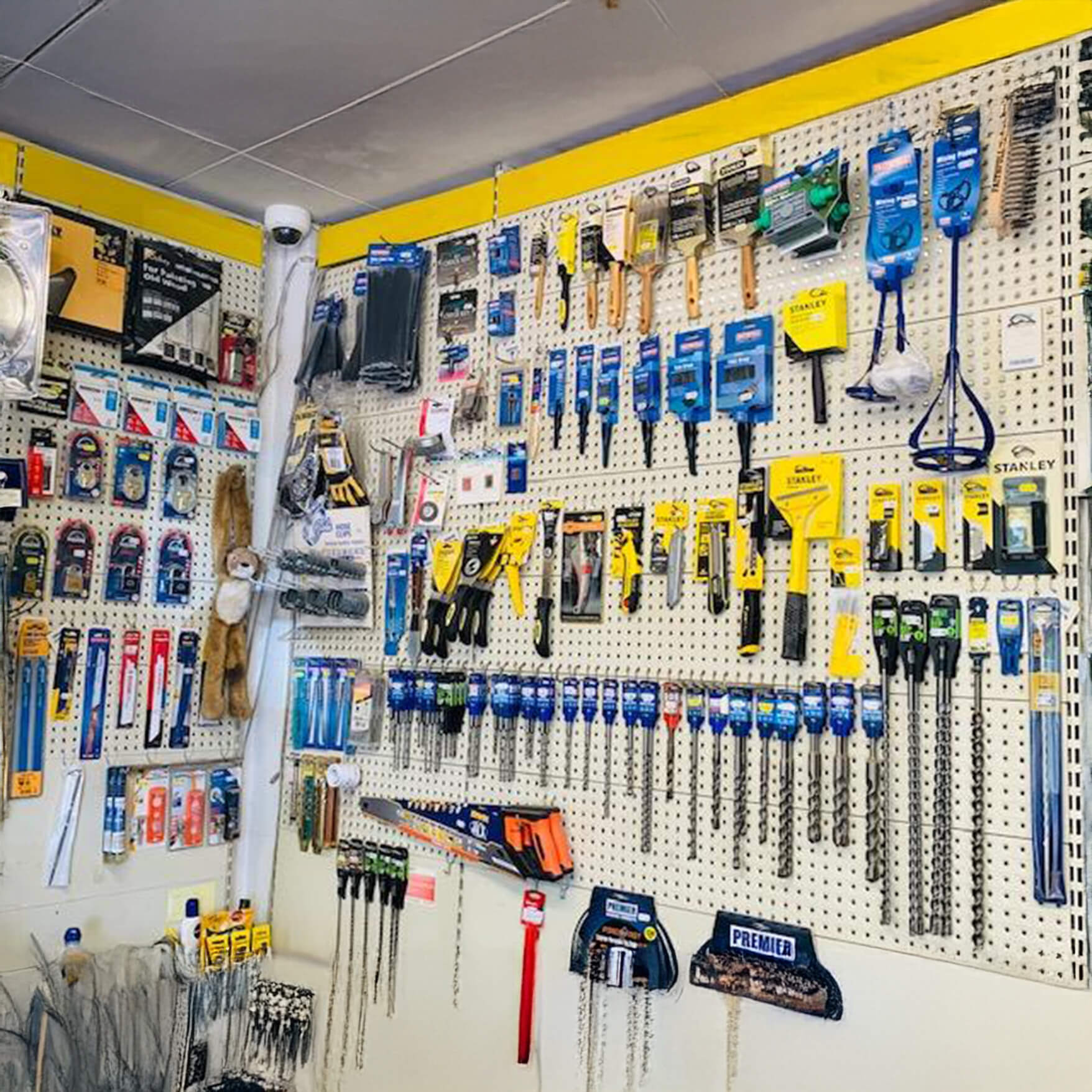
Woodworking equipment plays an important role in carpentry, joinery, or furniture-making tasks, and no matter whether you’re a professional tradesperson or a weekend homeowner, you must have the right tools to get the job done. Knowing the purpose of woodworking tools can help you plan with confidence, as using the wrong tools can be frustrating.
This blog covers a complete guide to woodworking tools, their types and uses & how to select the right equipment.
What Are Woodworking Tools?
Woodworking tools are tools used to cut, shape, join, smooth, or finish wood, either by hand or by power. They include chisels, hand saws, and precision power tools like routers and planers. Carpenters, joiners, cabinet makers and DIYers use this equipment to bring a design to fruition, whether it can be framed up into a structure or fitted in a kitchen.
Types of Woodworking Tools
Typically, woodworking tools can be categorised into a few main groups. Timber is cut to size and shape with cutting tools, e.g., a circular saw, a jigsaw, and a mitre saw. Finishing and shaping tools, such as routers and planers, smooth edges and surfaces. Tools such as drills are used to connect pieces, and measuring and marking tools hold pieces in place to make sure cuts are accurate.
What Are the Most Common Uses of Woodworking Tools?
Woodworking tools are used in several different ways. Straight and angled cuts for framing, flooring, and skirting boards are made using a circular saw and a mitre saw. Routers make decorative cabinets’ edges and joints. Planers smooth and level surfaces on time, and a jigsaw hire can make curved or detailed cuts that other saws cannot.
Choosing the Right Woodworking Tools for Different Projects
When it comes to woodworking tool hire, there are countless tools available for every project. Tools for a project vary with project size. A jigsaw, drill and hand plane might be all that’s required for small DIY projects like constructing a shelf. Powerful equipment, such as circular saws and planers/routers, is used for larger projects, such as installing a deck or a kitchen. Using the right tool for the job ensures efficient work and the best possible finish.
Woodworking Power Tools vs Hand Tools
Power tools can provide speed and accuracy, particularly for larger projects or repetitive tasks, such as cutting several boards to the same length. Hand tools provide greater control for fine joinery, carving, etc. Most craftsmen use a combination of both: power tools for speed and hand tools for precision finishing.
Should You Hire or Buy Woodworking Tools?
Having tools can be useful for regular, recurring work. If high-value equipment is used only occasionally or for one-off projects, then hiring is a viable, cost-effective solution. It provides access to high-quality equipment without requiring a large upfront investment or storage space, and ensures you always have top-notch equipment at your disposal.
How to Choose the Right Woodworking Equipment
When it comes to woodworking tools, consider the material, the required level of precision, and the size of the job. Consider the power source and probability, particularly for site work, and ensure the tool is right for the job, whether cutting, shaping, or finishing. But ease of use and comfort are also important, especially for longer work.
Common Mistakes When Choosing Woodworking Tools
Several common mistakes when hiring woodworking equipment can impact the final product: selecting the wrong blade or bit for the material, relying on less power than required for harder wood, and forgetting to maintain the blade or bit, which can cause it to lose accuracy over time. Careful consideration of tool-to-job matching is a little help in keeping the project on track.
Woodworking Safety Tips
Safety begins with proper training and personal protective equipment that protects your eyes and ears . Ensure tools are in good working condition at all times, work areas are clear and well-lit, and use blade guards and other manufacturer’s instructions for safety.
Why Choose Crescent Hire?
Crescent Hire Centre Ltd is a woodworking equipment hire specialist in Sutton . The company has a broad selection of professional woodworking equipment for carpenters, joiners and do-it-yourselfers, offering reliable, quality-maintained tools to hire without the cost of ownership. Available here at Crescent Hire Centre Ltd, you can easily hire the perfect tool to get the job done, and there’s also great advice and hire options to suit your project size.
Conclusion
Looking for woodworking tools for hire near me? It all boils down to knowing what you need to do and what equipment matches your project; it can be a simple repair or a major construction project. Every project is more efficient and produces better results with the proper selection of cutting, shaping and finishing equipment. If you’re looking for professional equipment to work with without a big investment, Crescent Hire Centre Ltd has the tools and expertise you need to create your next project.
Faqs


